Why the Surge in E-Commerce Volumes is Redefining Wholesale Customer Returns

The permanent shift toward online retail in the UK has delivered a predictable, yet formidable, byproduct for the high street: an unmanageable volume of reverse logistics. As processing costs and warehouse rents remain stubbornly high, the secondary market is witnessing a structural surge in wholesale customer returns, transforming a once-seasonal clearance cycle into a continuous, year-round pipeline of B2B inventory.
For trade buyers, independent discount retailers, and secondary market traders, this represents a fundamental shift in sourcing dynamics. The industry is no longer merely processing end-of-line clearance or seasonal overstock; it is absorbing perfectly viable, current-season merchandise liquidated by major retailers simply because they cannot afford the time, space, or labour to process it back into primary inventory.
The Structural Shift in E-Commerce Reverse Logistics
The normalisation of consumer purchasing habits like 'bracket buying'—where shoppers purchase multiple sizes or colours with the explicit intention of returning those that do not fit—has fundamentally altered the retail landscape. Industry estimates suggest that e-commerce return rates in the UK routinely hover between 15% and 30%, depending heavily on the category. For fast fashion, footwear, and apparel, these figures frequently skew even higher, creating a relentless inbound flow of packages at retailer distribution centres.
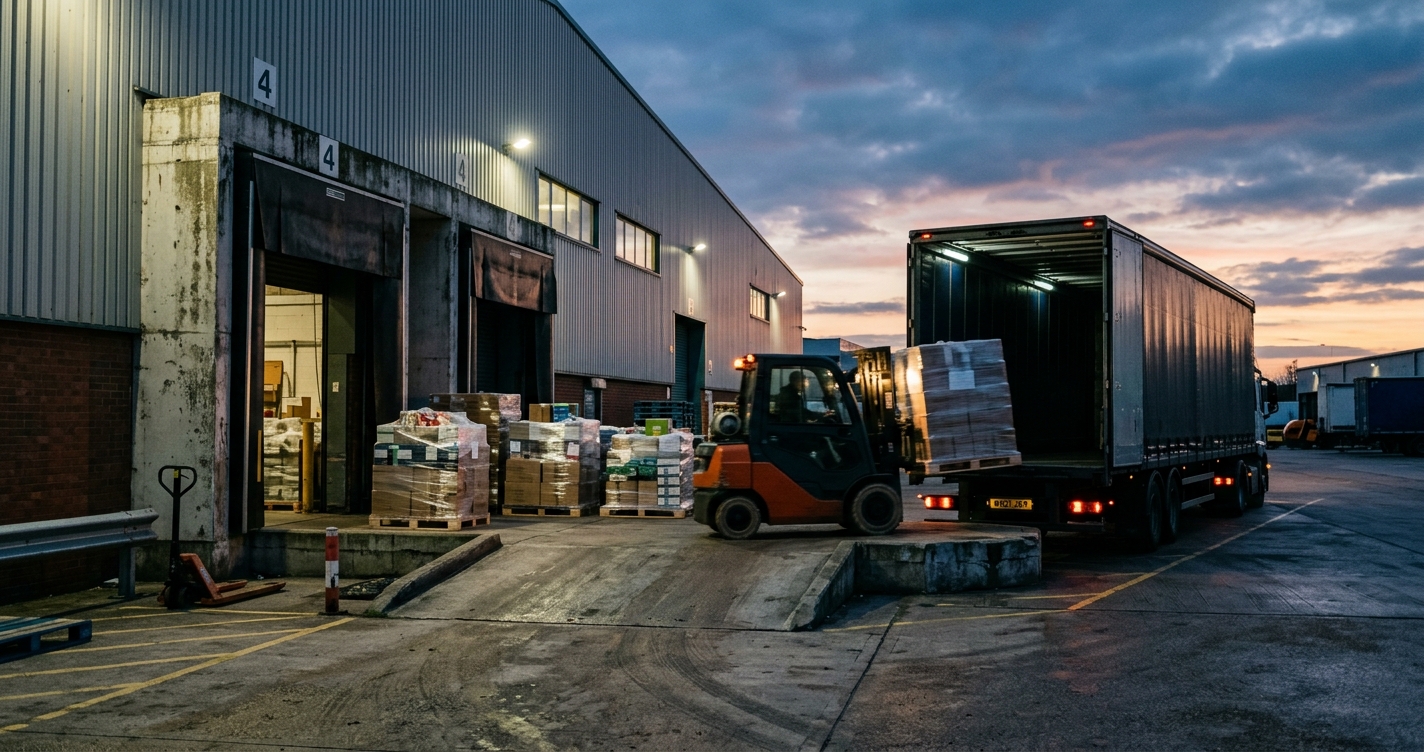
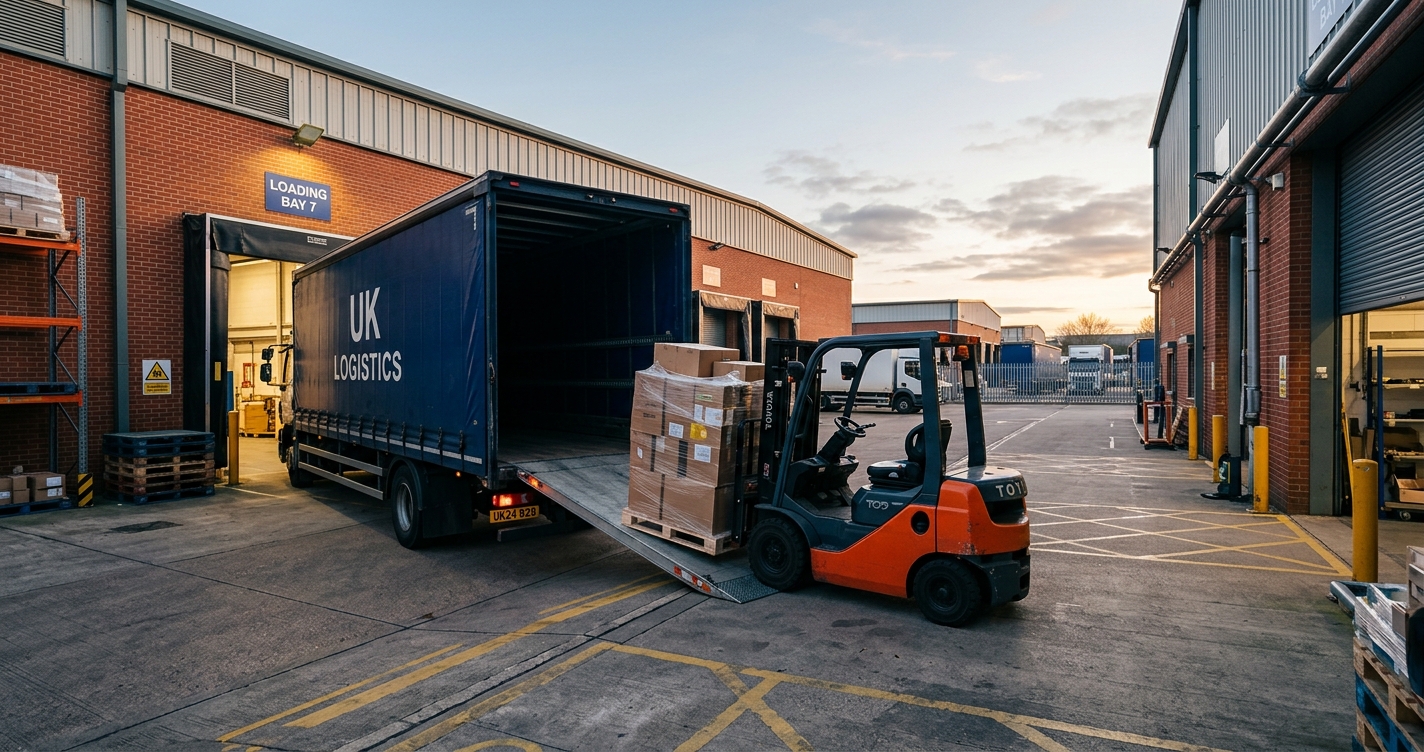
Historically, a significant proportion of this stock would be meticulously processed, re-folded, re-bagged, and placed back onto the digital shelf. However, the commercial realities of this process have broken down under the weight of modern volume. The cost of manual labour required to inspect, grade, and repackage an item often outstrips the net retail margin of the product itself. Consequently, major online pure-plays and traditional omnichannel retailers are increasingly bypassing the primary restock phase entirely. Instead, they are pushing these goods directly into the B2B clearance market in raw, unprocessed pallets via platforms like StockSeller.
How Holding Costs Accelerate Wholesale Customer Returns
It is impossible to analyse the current influx of wholesale customer returns without factoring in the broader macroeconomic climate of the UK. Interest rate adjustments over the past two years have dramatically increased the cost of capital. For retailers, holding non-performing or unprocessed stock is no longer a benign operational inefficiency; it is a direct, measurable drain on working capital.
Simultaneously, UK commercial warehousing space remains at an absolute premium. Logistics directors are acutely aware that pallet spaces occupied by uninspected returns are pallet spaces unavailable for high-margin, fast-moving new season stock. This twin pressure of expensive capital and costly storage forces commercial teams to make swift, pragmatic inventory decisions.
Liquidating stock at a fraction of its original retail value is often the most fiscally responsible move to free up cash flow and physical warehouse capacity. This dynamic has elevated the status of the wholesale clearance buyer. Trade buyers are no longer viewed merely as secondary-market opportunists; they serve as an essential pressure-release valve for the entire UK retail supply chain.
Categories Driving the Secondary B2B Market
While almost every retail category experiences returns, the composition of wholesale pallets hitting the UK market tends to be dominated by a few key sectors, each presenting unique opportunities and operational challenges for the resale trade.
- Apparel and Footwear: The undisputed heavyweight of the returns market. Sizing issues and buyer remorse lead to massive volumes. Much of this stock is technically brand new, suffering only from damaged outer packaging or missing retail tags.
- Consumer Electronics: A higher-risk, higher-reward category. Returns in this sector often stem from technical misunderstanding by the consumer rather than actual hardware faults. Buyers must be prepared to test, data-wipe, and potentially refurbish units before listing them on platforms like eBay, OnBuy, or ManoMano.
- Home and Garden: Bulky items suffer from notoriously high reverse logistics costs. The sheer expense of transporting a returned flat-pack wardrobe or heavy garden furniture set back to a central distribution hub means retailers are eager to offload these pallets as close to the initial return node as possible.
Evaluating Raw Returns: Grading, Processing, and Margin Potential
For the uninitiated B2B buyer, purchasing wholesale customer returns requires a realistic, sober understanding of grading and yield. Unlike bankrupt stock or surplus clearance—which is typically brand new and retail-ready—customer returns are a mixed bag. Pallets are usually sold as raw or untested, meaning the secondary buyer takes on the burden of quality control and sorting.
The Economics of Sorting
Experienced trade buyers build a strict 'defect rate' into their financial modelling. A standard rule of thumb in the trade is to anticipate that a percentage of a raw returns pallet will be B-grade (requiring minor fixes, cleaning, or repackaging), a smaller fraction will be C-grade (visibly used, missing parts, or marked), and a portion will be entirely unsalable waste.
The profit margin is generated by the pristine A-grade items that can be flipped via stringent channels like Amazon FBA, combined with the salvageable B-grade items sold through local discount channels or independent websites.
"The successful clearance buyer does not just buy stock; they buy a processing job. The margin earned is effectively the wage paid for doing the sorting and grading that the primary retailer refused to do."
The Post-Peak Season Deluge
Timing the market is a critical skill for wholesale buyers. The peak trading events of Q4—encompassing Black Friday, Cyber Monday, and the Christmas trading period—generate an inevitable hangover in Q1. As consumers return unwanted gifts and impulse purchases throughout January, retail distribution centres quickly hit maximum capacity and face severe processing bottlenecks.
By late January and into February, this logjam breaks, resulting in a deluge of high-quality clearance pallets flooding the B2B market. For trade buyers with available cash reserves and empty storage space, this post-peak window represents the most lucrative buying period of the year. The sheer volume of stock requiring immediate liquidation frequently drives pallet prices down, widening the potential margins for those equipped to handle bulk acquisitions.
Capitalising on the Reverse Logistics Boom
As the industry looks ahead, the fundamental drivers of the returns market show absolutely no signs of abating. UK e-commerce penetration remains exceptionally high, and consumer expectations for frictionless, cost-free return policies are firmly entrenched. For the primary retail sector, managing this flow will remain a persistent, expensive logistical headache.
However, for the agile B2B trader, this steady stream of wholesale customer returns provides a reliable, scalable source of inventory. Success in this market requires disciplined buying, robust processing capabilities, and a diversified multi-channel sales strategy. Those who can efficiently bridge the gap between a high-street retailer's reverse logistics problem and the end-consumer's desire for discounted goods will continue to secure robust margins in the secondary marketplace.